
Wisdom Teeth Removal in Summit, NJ
Wisdom teeth are the last set of molars to come in — usually in your late teens or early 20s. Sometimes they grow in without a problem. But more often, they’re impacted, misaligned, or crowding other teeth. At Prism Oral Surgery & Implants of Summit, we remove wisdom teeth before they lead to pain, infection, or long-term dental issues. Whether it’s a planned removal or something more urgent, we’re here to make it as simple and stress-free as possible.
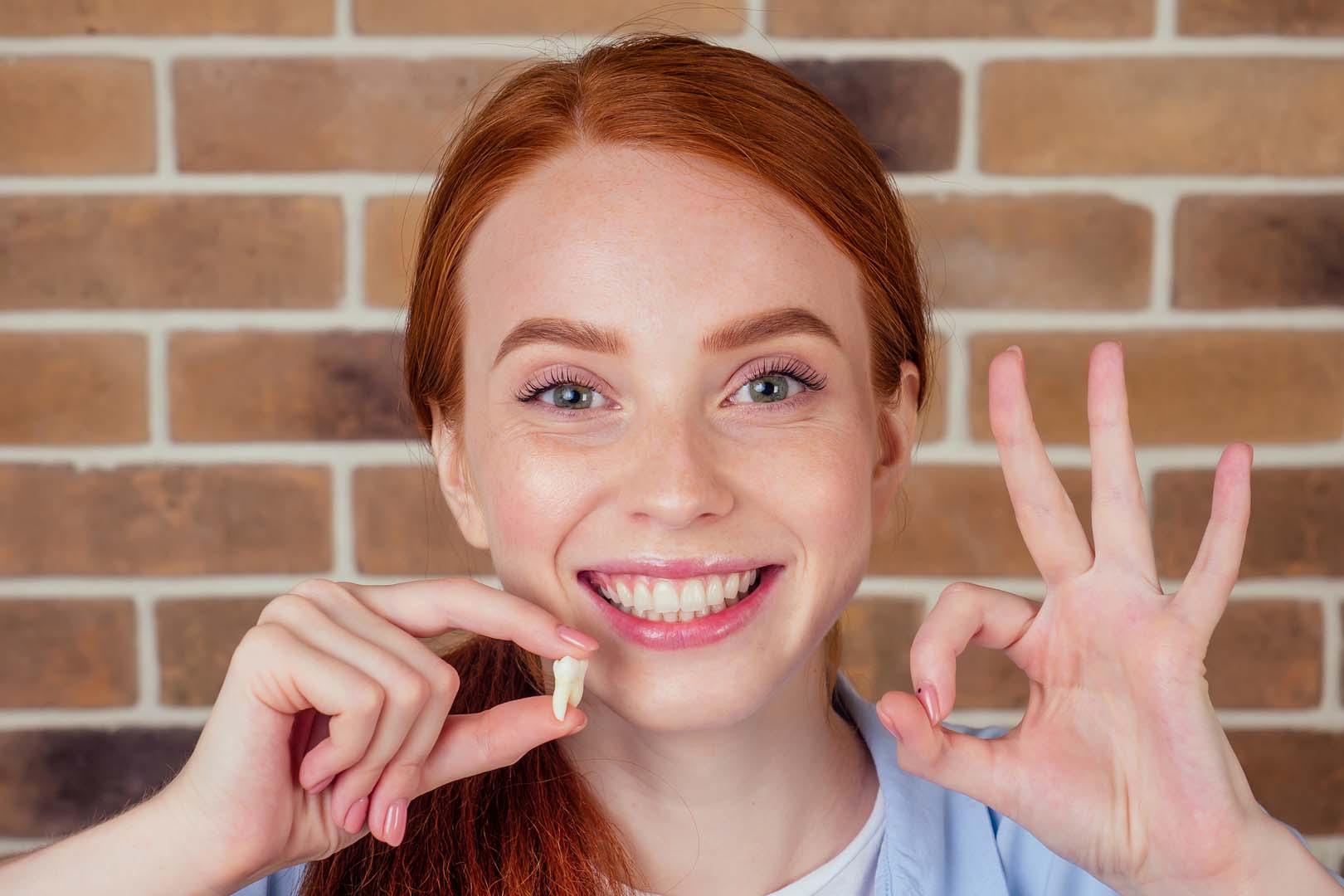
Wisdom teeth removal is a common oral surgery procedure used to remove third molars that are impacted, misaligned, painful, or likely to cause future dental problems. At Prism Oral Surgery & Implants of Summit, Dr. Jean Kim provides wisdom teeth removal in Summit, NJ for teens, young adults, college students, and families from Summit, Chatham, Madison, Millburn, Maplewood, and nearby communities.
Wisdom teeth are the last molars to develop, usually appearing in the late teen years or early adulthood. Some wisdom teeth erupt without concern, but many become trapped beneath the gums, grow at an angle, crowd nearby teeth, or create areas that are difficult to keep clean. Removing wisdom teeth at the right time can help reduce the risk of pain, infection, cysts, decay, and complications with neighboring teeth.
What Are Wisdom Teeth?
Wisdom teeth, also called third molars, are the final set of molars located at the very back of the mouth. Most people develop four wisdom teeth, although some people have fewer or none at all.
Because wisdom teeth usually come in after the rest of the adult teeth are already in place, there may not be enough room for them to erupt properly. When a wisdom tooth is unable to fully come in, it is considered impacted.
Impacted wisdom teeth may remain under the gum tissue, partially erupt, or press against the second molars. In these cases, Dr. Kim may recommend removal to protect oral health and prevent future issues.
Patients who want to understand related surgical procedures can learn more about tooth extractions at Prism Oral Surgery.
Common Signs You May Need Wisdom Teeth Removed
You may need wisdom teeth removal if you are experiencing symptoms near the back of your mouth or if imaging shows that the wisdom teeth are likely to cause problems.
Common signs may include:
- Jaw pain or pressure
- Swelling near the back molars
- Gum tenderness or irritation
- Pain when chewing
- Headaches or earaches related to jaw pressure
- Bad taste or odor near partially erupted wisdom teeth
- Crowding or shifting of nearby teeth
- Repeated inflammation around the gums
- Cysts or infection around the tooth
- Cavities on the wisdom tooth or nearby molar
Not all wisdom teeth cause pain right away. Some impacted wisdom teeth can create problems silently over time, which is why an evaluation is important even when symptoms are mild or not yet present.
When Is Wisdom Teeth Removal Recommended?
Wisdom teeth removal may be recommended when the teeth are impacted, difficult to clean, painful, infected, or positioned in a way that may harm nearby teeth.
Dr. Kim may recommend removal if:
- The wisdom teeth do not have enough room to erupt
- The teeth are growing sideways or at an angle
- A wisdom tooth is partially erupted and trapping bacteria
- There is swelling, gum inflammation, or infection
- The tooth is causing damage to a neighboring molar
- A cyst or other pathology is present
- Orthodontic or dental planning would benefit from removal
- The risk of future complications is high
Many patients in Summit, Chatham, Madison, Millburn, Maplewood, Short Hills, Springfield, New Providence, and nearby towns schedule wisdom teeth consultations during the teen years so potential concerns can be identified early.
Who Is a Candidate for Wisdom Teeth Removal?
You may be a candidate for wisdom teeth removal if your dentist, orthodontist, or oral surgeon has identified impacted or problematic third molars.
Good candidates may include:
- Teens or young adults whose wisdom teeth are developing
- Patients with impacted or partially erupted wisdom teeth
- Patients with pain, swelling, infection, or gum irritation
- Patients whose wisdom teeth are affecting nearby teeth
- Patients preparing for orthodontic or restorative dental care
- Patients who are healthy enough for outpatient oral surgery
Dr. Kim will review your medical history, imaging, symptoms, and tooth position before recommending the most appropriate treatment plan.
Who May Not Need Wisdom Teeth Removal?
Not every patient needs wisdom teeth removed. If wisdom teeth are fully erupted, healthy, properly positioned, and easy to clean, they may not require removal.
Wisdom teeth may be monitored instead of removed when:
- They are fully erupted and functional
- They are not causing pain or infection
- They are not damaging nearby teeth
- They can be cleaned effectively
- Imaging shows a low risk of future problems
- Removal would present more risk than benefit
Dr. Kim will explain whether removal or monitoring is more appropriate based on your individual situation.
How the Wisdom Teeth Removal Process Works
Wisdom teeth removal is performed at Prism Oral Surgery & Implants of Summit in a private, supportive setting. The type of procedure depends on whether the teeth are fully erupted, partially erupted, or impacted beneath gum tissue or bone.
1. Consultation and Imaging
Your first visit includes an exam and diagnostic imaging to evaluate the position of the wisdom teeth. Dr. Kim reviews whether the teeth are close to nerves, sinuses, adjacent molars, or other important structures.
This step helps determine whether the wisdom teeth can be removed with a simple extraction or whether surgical removal is needed.
2. Personalized Treatment Plan
Dr. Kim creates a care plan based on the number of teeth being removed, their position, your age, medical history, comfort level, and recovery needs.
The team will explain what to expect before, during, and after surgery so you feel prepared for the procedure.
3. Sedation or Anesthesia Planning
Comfort is an important part of wisdom teeth removal. Depending on the treatment plan and your health history, sedation or anesthesia options may be available.
Prism Oral Surgery offers options such as IV sedation and general anesthesia when clinically appropriate.
4. Wisdom Teeth Removal
On the day of surgery, Dr. Kim removes the wisdom teeth using the planned approach. Some teeth can be removed simply, while impacted teeth may require a small incision in the gum tissue and removal of surrounding bone.
The procedure length varies depending on the number of teeth being removed and the complexity of the case. Many wisdom teeth procedures are completed in under an hour.
5. Recovery Support
You will go home the same day with clear post-operative instructions. The Prism Oral Surgery team will explain how to manage swelling, bleeding, diet, oral hygiene, activity, and medications.
Most patients return to school, work, or normal routines within several days, depending on the complexity of surgery and how they heal.
Recovery After Wisdom Teeth Removal
Recovery from wisdom teeth removal is different for every patient, but most people feel noticeably better within 3 to 5 days. Full soft tissue healing takes longer, and the surgical sites continue to improve over the following weeks.
After surgery, patients are typically advised to:
- Rest for the first 24 hours
- Use cold compresses as directed
- Eat soft foods during early healing
- Avoid straws and smoking during initial recovery
- Avoid strenuous activity until cleared
- Keep the mouth clean as instructed
- Take medications exactly as directed
- Contact the office if symptoms worsen or feel unusual
Families from Summit, Chatham, Madison, Millburn, Maplewood, and nearby communities can contact Prism Oral Surgery during recovery if questions arise.
Cost Factors for Wisdom Teeth Removal in Summit, NJ
The cost of wisdom teeth removal depends on the complexity of the procedure and the patient’s specific needs.
Common cost factors include:
- Number of wisdom teeth being removed
- Whether teeth are erupted, partially erupted, or impacted
- Depth and position of impaction
- Type of anesthesia or sedation used
- Need for 3D imaging
- Complexity related to nerves, sinuses, or nearby teeth
- Insurance coverage and plan benefits
During your consultation, the Prism Oral Surgery team can review your treatment plan and help explain insurance and payment details. The practice accepts several insurance providers and can discuss coverage based on your plan.
Risks and Limitations
Wisdom teeth removal is commonly performed, but it is still an oral surgery procedure with potential risks and limitations.
Possible risks may include:
- Swelling, bruising, or soreness
- Bleeding after surgery
- Dry socket
- Infection
- Delayed healing
- Numbness or nerve irritation
- Sinus-related concerns for upper wisdom teeth
- Jaw stiffness
- Need for additional follow-up care
Dr. Kim will review your individual risk factors before surgery and provide instructions to support safe healing.
Wisdom Teeth Removal vs. Waiting
Some patients wonder whether wisdom teeth should be removed before symptoms develop. In certain cases, monitoring is reasonable. In other cases, early removal may reduce the risk of infection, pain, damage to nearby teeth, or more complicated surgery later.
Waiting may be appropriate if the wisdom teeth are healthy, fully erupted, and easy to clean. Removal may be recommended if imaging shows impaction, crowding, infection risk, cyst formation, or damage to adjacent teeth.
Dr. Kim will help you understand the benefits and limitations of removal versus monitoring based on your imaging and oral health.
Alternatives to Wisdom Teeth Removal
Wisdom teeth removal is not always the only option. Depending on your evaluation, alternatives may include:
- Monitoring with periodic exams and imaging
- Improved hygiene around partially erupted teeth
- Treatment for gum inflammation
- Antibiotics for certain infections, when appropriate
- Removal of only the problematic wisdom teeth
- Coordinated planning with your dentist or orthodontist
If related bone support or healing needs are identified, Dr. Kim may discuss additional services such as bone grafting in select situations.
Why Choose Prism Oral Surgery for Wisdom Teeth Removal in Summit, NJ?
Prism Oral Surgery & Implants of Summit provides wisdom teeth removal in a calm, patient-centered setting for teens, students, adults, and families. The office is located at 55 Woodland Avenue in Summit, NJ, making it convenient for patients from Chatham, Madison, Millburn, Maplewood, Short Hills, Springfield, New Providence, Berkeley Heights, and surrounding communities.
Dr. Jean Kim, DDS is a board-certified oral and maxillofacial surgeon with advanced training in dental extractions, impacted teeth, anesthesia, and surgical care. Her approach emphasizes careful planning, patient comfort, and clear communication throughout the process.
Patients choose Prism Oral Surgery for:
- Board-certified oral and maxillofacial surgical care
- 3D imaging and individualized treatment planning
- Sedation and anesthesia options when appropriate
- Supportive care for teens, young adults, and families
- Coordination with referring dentists and orthodontists
- Convenient access in Summit, NJ
To learn more about Dr. Kim’s training and background, visit Meet Dr. Jean Kim.
FAQs
Wisdom teeth are often evaluated during the teen years or early twenties. Removal may be easier before the roots are fully developed, but timing depends on tooth position, symptoms, oral health, and imaging. Dr. Kim can recommend whether removal or monitoring is best.
You should not feel pain during the procedure because the area is numbed, and sedation or anesthesia may be available when appropriate. Soreness, swelling, and jaw stiffness are common after surgery, but these symptoms are usually manageable with post-operative instructions and recommended medications.
Most patients feel better within 3 to 5 days, although healing continues for several weeks. Recovery time depends on the number of teeth removed, whether they were impacted, the type of anesthesia used, and how closely aftercare instructions are followed.
Wisdom teeth can still cause problems even without pain. Impacted or partially erupted teeth may increase the risk of infection, cavities, gum inflammation, cysts, or damage to nearby molars. Imaging helps determine whether removal or continued monitoring is more appropriate.
Schedule Wisdom Teeth Removal in Summit, NJ
Do not wait until wisdom teeth become painful or infected. If you or your child has been told wisdom teeth may need to be removed, Prism Oral Surgery & Implants of Summit can help you understand the next step.
Call (908) 224-1707 or request an appointment through Contact Prism Oral Surgery.


